Understanding Vinyl Plank Flooring
What is Vinyl Plank Flooring?
Vinyl plank flooring is a popular flooring solution designed to mimic the appearance of traditional hardwood floors while offering enhanced durability and resistance to moisture. Made from polyvinyl chloride (PVC), this flooring option is engineered to provide a cost-effective and aesthetically pleasing alternative that is perfect for residential and commercial spaces alike. Its composition allows for varied designs, patterns, and colors, making it versatile enough for different tastes and styles.
Benefits of Vinyl Plank Flooring
One of the significant advantages of vinyl plank flooring is its impressive durability. It can withstand heavy foot traffic and is resistant to scratches, stains, and dents, making it ideal for busy households. Additionally, vinyl plank flooring is typically water-resistant or even waterproof, ensuring that spills and humidity won’t damage the floor. Accessibility is another strong point; the material is often softer underfoot compared to traditional hardwood, enhancing comfort while standing or walking on it.
Types of Vinyl Plank Flooring
There are mainly three types of vinyl plank flooring: luxury vinyl tile (LVT), commercial vinyl, and standard vinyl planks. Luxury vinyl tile is crafted to provide realism with intricate designs and textures, making it suitable for residential spaces. Commercial vinyl options are specifically designed for high-traffic areas and feature exceptional durability. Lastly, standard vinyl planks offer a cost-effective solution that works well in various environments without extensive demands for added aesthetics.
Choosing the Right Vinyl Plank Flooring for Your Home
Factors to Consider When Selecting Vinyl Plank Flooring
When selecting the right vinyl plank flooring, consider aspects such as traffic levels, the subfloor condition, and the room’s purpose. For heavily trafficked areas, opt for higher wear ratings, while moisture-prone zones like bathrooms or kitchens may benefit from 100% waterproof options. Additionally, consider the underlayment needs to ensure adequate sound insulation and comfort underfoot.
Installation Methods for Vinyl Plank Flooring
Vinyl plank flooring can be installed using various methods including glue-down, click-lock, and loose lay options. Glue-down installation offers stability for high-traffic areas but can be more complex. Click-lock systems are favored for their ease of installation; planks simply snap together, making it a popular choice for DIY projects. Loose lay flooring requires no adhesive and can be a quick solution but may not be ideal for all spaces, especially where movement is common.
Maintenance Tips for Longevity
To extend the life of your vinyl plank flooring, regular maintenance is crucial. Daily sweeping or vacuuming helps remove dirt and prevent scratches. For deep cleaning, use a damp mop and avoid abrasive cleaning products that may damage the finish. Additionally, it’s wise to place rugs or mats in high-traffic areas to reduce wear and tear while protecting your investment.
Aesthetic Appeal of Vinyl Plank Flooring
Design Ideas for Different Rooms
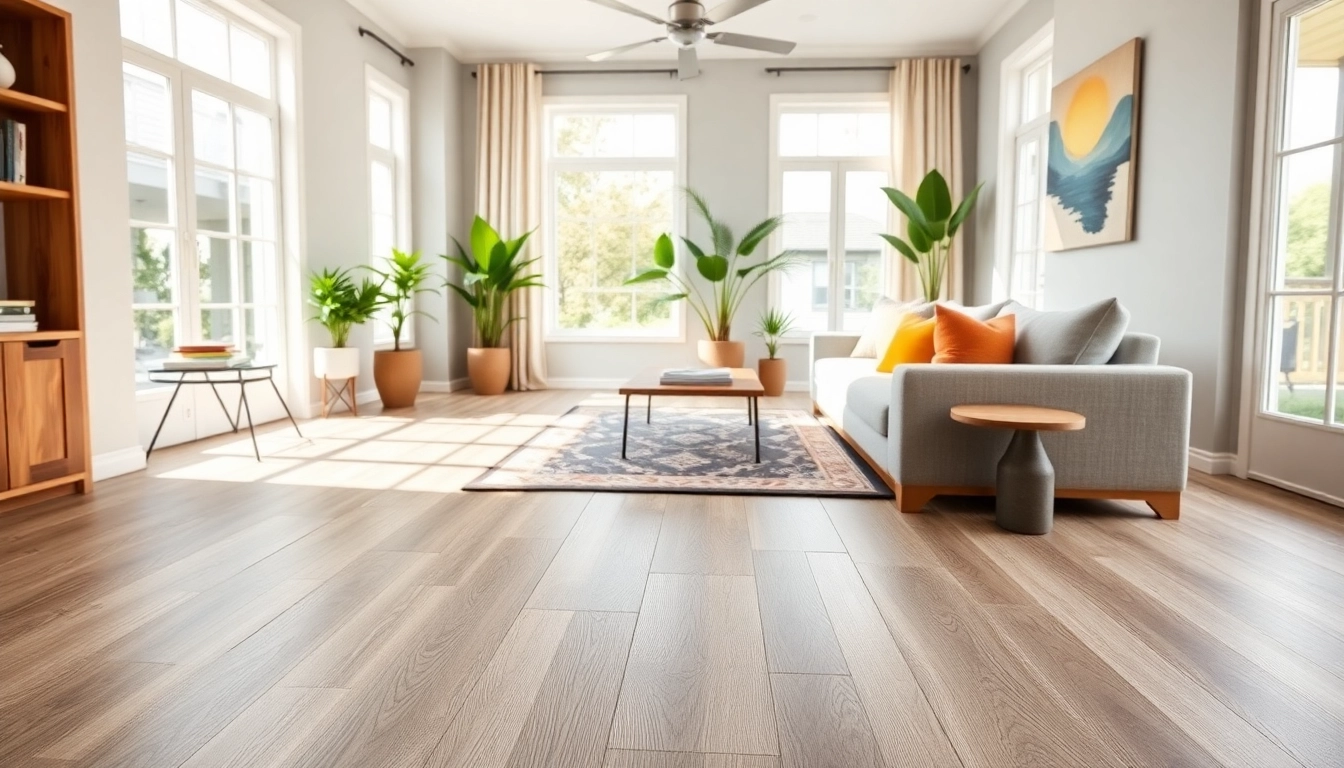
Vinyl plank flooring comes in a plethora of designs suitable for various spaces. For living areas, lighter tones can create an airy feel, while darker hues can add warmth and elegance. In kitchens, opt for styles resembling distressed wood to achieve a rustic look, or choose a modern slate design for a contemporary feel. For bathrooms, consider lighter shades with a textured finish for a spa-like experience.
Color and Texture Trends in Vinyl Plank Flooring
Trends in vinyl plank flooring continuously evolve. Currently, natural wood finishes, such as oak or maple in gray or white-washed tones, are popular among homeowners aiming for a Scandinavian or modern farmhouse aesthetic. Textures that mimic reclaimed wood also add depth and character to interiors, fulfilling the desire for warmth while maintaining modern sensibilities.
Customization Options for Your Style
Customization is a defining feature of vinyl plank flooring. Many manufacturers offer different plank sizes, colors, and finishes which allow homeowners to tailor their flooring to fit their personal style. Moreover, it’s possible to create unique patterns and arrangements, such as herringbone or chevron, adding an artistic flair to your floors.
The Environmental Impact of Vinyl Plank Flooring
Sustainability of Vinyl Plank Flooring
Vinyl plank flooring has sparked conversations about sustainability due to its production processes. However, many manufacturers are now focusing on creating environmentally friendly products. These initiatives often include utilizing recycled materials and adopting energy-efficient manufacturing methods. Additionally, vinyl flooring is recyclable, reducing its environmental footprint at the end of its lifecycle.
Comparing Eco-Friendly Options
While vinyl plank flooring can be sustainable, options like bamboo and cork are also available. Bamboo grows rapidly and can be harvested without harming the plant, while cork is harvested from tree bark, allowing the trees to continue thriving. It’s essential to balance aesthetics, durability, and environmental impact when choosing a flooring option.
Certifications to Look For
When selecting eco-friendly vinyl plank flooring, look for certifications such as FloorScore, GreenGuard, or the LEED rating. These certifications indicate that the product has met stringent indoor air quality standards, contributing to overall sustainability. Brands often display these certifications on their packaging, making them easily identifiable.
Frequently Asked Questions About Vinyl Plank Flooring
Is vinyl plank flooring waterproof?
Many vinyl plank flooring options are waterproof, making them excellent choices for moisture-prone areas such as kitchens and bathrooms. Always verify the specific product features to ensure complete waterproof capabilities.
How long does vinyl plank flooring last?
With proper maintenance, quality vinyl plank flooring can last anywhere from 10 to 25 years. Product type, wear layer thickness, and environmental factors can influence longevity.
Can I install vinyl plank flooring over existing floors?
Yes, vinyl plank flooring can often be installed over existing floors, provided the subfloor is in good condition and level. This versatility saves time and money in renovations.
How do I clean vinyl plank flooring properly?
To clean vinyl plank flooring, sweep or vacuum regularly, and mop with a damp cloth and a cleaning solution designed for vinyl floors. Avoid using abrasive cleaners or excessive water for durability.
What are the warranty options for vinyl plank flooring?
Warranty options for vinyl plank flooring vary by manufacturer, typically ranging from 10 to 30 years. Check product specifications for details on commercial vs. residential warranties.